




Menopause and weight gain: what's the role of the gut microbiome?
The journey of menopause often comes with its set of challenges, one of which is the notorious weight gain that many women experience. While hormonal fluctuations play a significant role in this, there's another player in the game that is not to be overlooked - the gut microbiome. This complex ecosystem within our digestive tract significantly impacts our metabolism and weight management. Let’s delve deeper into the relationship between gut health and weight during menopause, and explore the power of a little-known ally - dietary fibre.
Understanding the gut-weight connection
Our gut is not just a digestive powerhouse but a hub of hormonal activity. The microbes residing in our gut interact with hormones, influence inflammation, and even determine how our bodies store fat. A balanced gut microbiome can support a healthy metabolism, whereas an imbalanced one may lead to metabolic disturbances.
Research has illustrated that a diverse gut microbiome, abundant in beneficial bacteria, is associated with a healthier body weight. Conversely, a less diverse microbiome is often seen in individuals with obesity.
Hormonal shifts and gut health during menopause
Menopause brings about a notable decline in oestrogen levels, which has a complex relationship with the gut microbiome. Oestrogen influences the composition and diversity of gut bacteria, and conversely, these bacteria can metabolise oestrogen, affecting its levels and activity within the body.
The decline in oestrogen during menopause often leads to an increase in body fat, especially around the abdomen. This abdominal fat is not merely a cosmetic concern; it's associated with an elevated risk of metabolic syndrome, a cluster of conditions that raise the risk of heart disease, stroke, and type 2 diabetes.
The fibre factor: a gut health powerhouse
Dietary fibre plays a key role in our health. There are two types of fibre. Insoluble fibre helps form bulkier stools and facilitates smooth movement through the digestive tract, while soluble fibre forms a gel-like substance that is associated with numerous health benefits, particularly during the decline in oestrogen levels experienced in menopause. Beyond these effects, the benefits of a high fibre diet come from their ability to feed our beneficial gut. When your gut bacteria break-down fibre they produce short-chain fatty acids (SCFA) that can reduce inflammation, often alleviating joint and muscle pain related to peri/menopause. Interestingly, a study showed that increased fibre intake, leading to weight loss, also resulted in fewer hot flashes.
Though an apple a day may not keep the hot flashes at bay, fibre-rich foods could significantly mitigate severe menopausal symptoms and safeguard your overall health. Here are some compelling reasons to ramp up your daily fibre intake:
Fostering a healthy gut
Dietary fibre is a boon for gut health, serving as a food source for gut bacteria and aiding in maintaining a diverse gut microbiome. This diversity helps in efficient nutrient absorption and promotes healthy bowel movements, relieving constipation. Insoluble fiber, abundant in whole grains, nuts, and certain vegetables, helps material move through the digestive system smoothly.
### metabolism regulation through fiber
During the menopausal transition, it's normal to gain up to 3 percent of body fat each year. While there's no ideal weight or body type, consuming more fiber can help maintain a healthy metabolism by slowing down the digestive process, inducing a feeling of fullness post-meal, and aiding in weight management.
Reducing disease risk
fiber intake can shield you from diseases common during midlife and peri/menopause. Soluble fiber helps in reducing blood glucose levels by slowing down sugar absorption during digestion, improving cardiovascular health, and preventing type 2 diabetes and, by extension, heart disease.
The takeaway
Embracing a high-fibre diet by incorporating a variety of whole grains, lentils, seeds, fruits, and vegetables can be a game-changer in managing your weight and improving your health during peri/menopause. While fibre offers substantial benefits, it's not a silver bullet. Other lifestyle modifications like reducing stress, exercising, and prioritising sleep are equally pivotal in enhancing your overall well-being and in reducing perimenopause and menopause symptoms.
As you navigate through menopause, remember that nurturing your gut health, with a special emphasis on dietary fibre, can be a significant step towards better weight management and overall health.
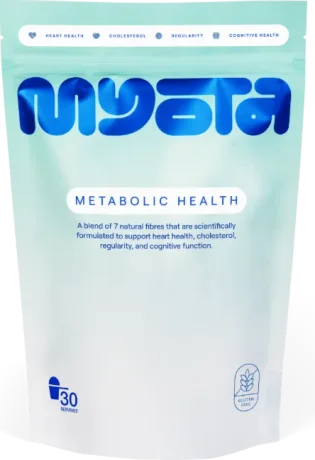
Start with your gut
One scoop a day of clinically-proven prebiotic fibre.
Keep reading

From Biohacking to Bioharmony: the softer wellness trend of 2026
Forget the numbers and the spreadsheets. Wellness in 2026 is all about going with the flow.
Read more
Beat the seasonal allergies and ease inflammation
Ah summer - sunshine, beach days, and unfortunately also seasonal allergies. But fret not! Here are some of our favourite foods to ease inflammation, support your immune system and alleviate those pesky symptoms.
Read more
High protein or high fibre? What should I be focusing on?
Social media is obsessed with protein. From shakes to bars, it’s the nutrient everyone’s talking about. But here’s the catch. Only around 10% of people are actually protein deficient. Instead, we continue to ignore a nutrient that 90% of us are deficient in. That’s right, it’s time fibre had its moment.
Read more