

How to Relieve Constipation Naturally: A Complete Gut Health Guide
Struggling with constipation? Learn the real causes, 6 science-backed ways to find relief, and when to see a doctor - from the gut health experts at myota.
Constipation means passing stool fewer than three times a week, or having stools that are hard, painful, or difficult to pass. It's one of the most common digestive complaints - and one of the most fixable, once you understand what's actually driving it.
Common causes include:
- Low dietary fibre intake
- Inadequate hydration
- A sedentary lifestyle
- Certain medications
- Hormonal changes
- Stress
- Underlying health conditions
Typical symptoms:
- Difficult or painful bowel movements
- Passing stool fewer than 3 times per week
- A feeling of incomplete emptying
- Stomach aches and cramping
The gut is responsible for digesting food, absorbing nutrients, and eliminating waste - so when gut function slows down, constipation is often the result. The good news: most cases respond well to a handful of targeted lifestyle changes. Here's what actually works.
1. Increase your fibre intake
Fibre adds bulk to stool and helps it move through the digestive tract more easily. The UK recommended daily intake is 30g of fibre per day - but current data shows over 90% of UK adults fall short, averaging closer to 18g.
Aim for a variety of fibre sources: fruits, vegetables, wholegrains, oats, wheat bran, flaxseed, chia seeds, legumes, and nuts. Diversity matters here - different fibre types feed different beneficial gut bacteria and support stool consistency in different ways.
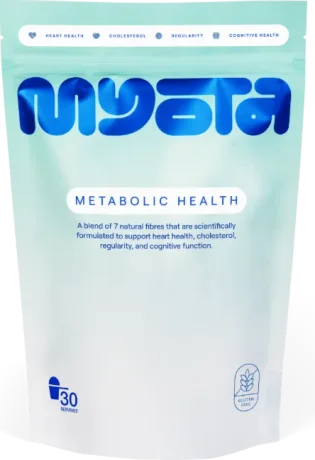
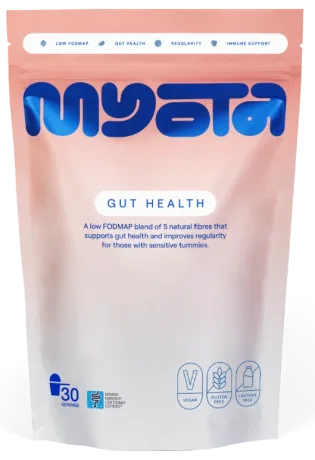
If you're consistently falling short through food alone, a precision fibre blend can help close the gap, particularly one that includes fermentable, prebiotic fibres that also support your gut microbiome long-term.
2. Stay well hydrated
Fibre absorbs water - so more fibre without more water can actually make constipation worse, not better. Aim for at least 2 litres of fluid a day from water and decaffeinated drinks, and increase this further in hot weather or if you exercise heavily.
3. Move your body regularly
Physical activity stimulates peristalsis - the muscle contractions that move food through your digestive tract. Research shows even low-to-moderate intensity aerobic exercise (a daily walk counts) can meaningfully improve bowel regularity.
4. Manage stress
Your gut and brain are in constant communication via the gut-brain axis. Chronic stress activates your sympathetic nervous system ("fight or flight"), which diverts blood flow and energy away from digestion - this can directly contribute to constipation. Techniques like meditation, diaphragmatic breathing, or simply anything that helps you unwind can activate the parasympathetic ("rest and digest") state your gut needs to function well.
5. Establish a toilet routine and posture
Set aside unhurried time each day to use the toilet - even if nothing happens at first - but limit sessions to around 10 minutes to avoid straining. Posture matters too: sitting with your knees higher than your hips (a footstool works well), leaning forward, and relaxing your stomach all help align the rectum for easier passing.
6. Consider fermented foods
Fermented foods like yoghurt, kefir, sauerkraut, and kimchi introduce beneficial bacteria that support a balanced gut microbiome, which may help improve gut motility over time.
A note on medication
Some medications list constipation as a side effect. If you suspect this applies to you, speak with your healthcare provider about alternatives rather than stopping any prescribed medication on your own.
When to see a doctor
Most constipation resolves with the changes above. See a healthcare professional if you experience:
- Constipation lasting more than 3 weeks despite lifestyle changes
- Blood in your stool
- Unexplained weight loss
- Severe or worsening abdominal pain
They can rule out underlying conditions and recommend next steps tailored to you.
Frequently asked questions
What relieves constipation fastest?
Increasing water intake alongside gentle movement (like a walk) tends to bring the quickest relief for mild, short-term constipation. For ongoing constipation, consistent daily fibre intake (30g/day) is the most effective long-term fix.
Can too much fibre cause constipation?
Yes - if you increase fibre without also increasing water intake. Fibre needs water to do its job; without it, stool can become harder rather than softer.
Is constipation linked to stress?
Yes. Chronic stress affects the gut-brain axis and can slow digestive function, contributing to what's sometimes called stress-related (or psychogenic) constipation.
How much fibre do I need per day?
Adults should aim for 30g of fibre daily from a diverse range of sources - most UK adults currently get less than 20g.
References
PMID: 33208922
PMID: 28507013
PMID: 34505614
Start with your gut
One scoop a day of clinically-proven prebiotic fibre.
Keep reading


Nature’s Ozempic? How fibre can boost GLP-1 production
‘Miracle’ weight-loss drugs like Ozempic are all the rage these days. However, there are downsides - from the cost or lack of research on long-term effects. But what if we told you that prebiotic fibre can mimic these same biological effects, naturally? Keep reading to learn more.
Read more
The power of trillions: The gut microbiome for digestion and absorption
Read more
Gut Microbiome and Ageing: Unravelling the Link
Unlock the secret to graceful ageing with the power of your gut microbiome. Dive into the intriguing link between gut health and age, and discover how you can age like a fine wine.
Read more